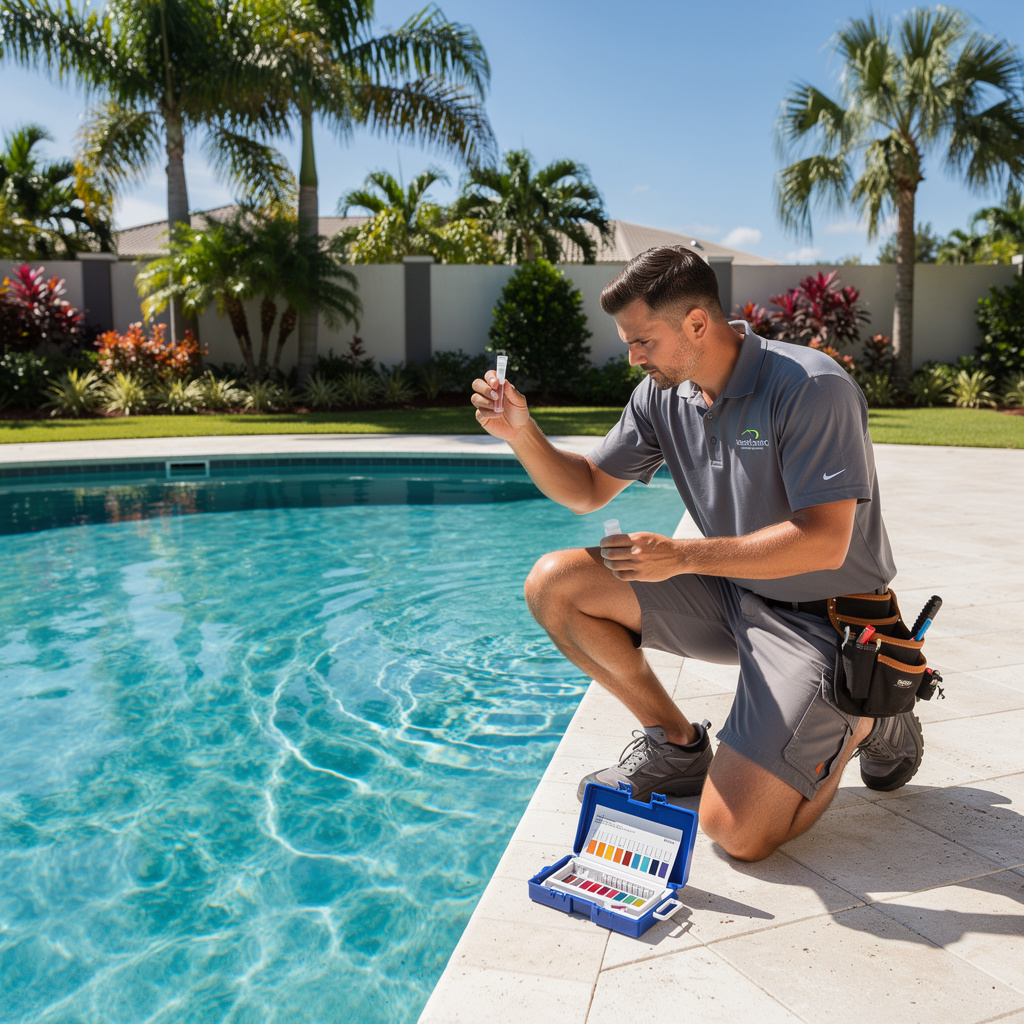
# Salt Water vs Chlorine Pools: What Fort Lauderdale Homeowners Need to Know
South Florida’s unique environment impacts pool systems. If you’re a homeowner weighing the decision between a saltwater pool and a traditional chlorine pool, there are several local factors you need to consider. From the salty ocean air to the year-round swim season, your choice will affect maintenance, costs, and even the longevity of your equipment.
In this post, I’ll break down the key differences between saltwater and chlorine pools specifically for Fort Lauderdale residents, sharing honest pros and cons based on hands-on experience in our coastal climate.
Upfront Costs: Saltwater Conversion vs Traditional Chlorine Pools
Let’s start with the initial investment. Installing a traditional chlorine pool system is generally less expensive upfront. You’ll purchase a pool pump, filter, and chlorinator or simply use liquid or tablet chlorine. For a new pool installation, the equipment package for a chlorine system typically costs less than a saltwater system.
Saltwater pools require a salt chlorine generator, which electrolyzes salt in the water to produce chlorine continuously. These generators add $1,500-$2,500 or more to your equipment costs. If converting an existing chlorine pool to saltwater, you’ll also need to consider equipment compatibility and possible repairs or upgrades.
In Fort Lauderdale, where the cost of living and construction is higher than the national average, this upfront expense is a significant factor. While saltwater pools may save money over time on chemicals, you need to realistically assess your budget and how long you plan to stay in your home to calculate ROI.
Ongoing Chemical and Maintenance Costs in South Florida
One of the biggest draws of saltwater pools is the promise of lower chemical costs. Because the salt chlorine generator produces chlorine continuously, you typically use fewer chlorine chemicals. In Fort Lauderdale, this can be a benefit given the year-round swimming season, which naturally increases chemical consumption compared to northern climates.
However, saltwater pools still require testing and balancing pH, alkalinity, and stabilizer levels regularly. The salt itself doesn’t sanitize your pool—it just helps produce chlorine. Also, the salt chlorine generator cells need periodic cleaning and replacement every 3-5 years, which is an ongoing cost to factor in.
Traditional chlorine pools require you to add chlorine manually, either liquid, tablets, or granular forms. While this is more labor-intensive, the chemical costs can be lower upfront. But in our humid South Florida climate, chlorine dissipates faster due to UV rays and warmer water temperatures, so more frequent dosing is necessary.
Local water quality also plays a role. Many Fort Lauderdale homes use municipal water, which is generally treated and soft, but in western Broward County, some homes rely on well water that can have higher mineral content. This affects chemical balancing and equipment wear differently for salt vs chlorine pools.
Equipment Corrosion: Salt Air + Saltwater = Challenge
This is a critical issue many homeowners overlook. Fort Lauderdale’s proximity to the Atlantic Ocean means we live with salty air and high humidity daily. When you combine that with the salt in a saltwater pool system, you’re increasing the risk of equipment corrosion.
Salt is corrosive to metal components like pool pumps, heaters, and fixtures. Even with corrosion-resistant materials, the harsh coastal environment accelerates wear and tear. Many saltwater pool systems in Broward County have required premature replacement of pumps, heaters, or metal fittings because of salt corrosion.
Traditional chlorine pools avoid this problem since there’s no additional salt in the water. Still, the ocean air will corrode equipment over time, but without the extra salt in the pool itself, you generally get longer equipment life and fewer repairs.
If you choose saltwater, I highly recommend investing in high-quality, corrosion-resistant equipment and performing regular maintenance checks to catch corrosion early.
Skin and Eye Comfort: What South Florida Swimmers Experience
Many Fort Lauderdale residents notice a difference in water feel between saltwater and chlorine pools. Saltwater pools tend to have softer water that some say feels more natural and less harsh on skin and eyes.
However, this is not always the case. If the salt chlorine generator’s output is not properly calibrated, saltwater pools can still cause eye irritation or dry skin. Also, because saltwater pools continuously produce chlorine, some swimmers may be more sensitive to chlorine levels compared to manual dosing in traditional pools.
Traditional chlorine pools, if not properly balanced, can lead to stronger chlorine odors and more eye irritation, especially during our hot summer months when chlorine demand spikes.
In South Florida’s humid climate, maintaining proper water chemistry is key for both systems to maximize swimmer comfort.
Maintenance Differences for Fort Lauderdale Pools
Saltwater pools are often marketed as “low maintenance,” but in our South Florida context, that’s not entirely true. While you don’t need to add chlorine manually every day, you still must monitor salt levels, clean the generator cells, and manage pH carefully. The salt chlorine generator is an electronic component that requires regular servicing.
Traditional chlorine pools require more frequent chemical additions and testing, but the equipment is simpler and less expensive to maintain or replace.
Because Fort Lauderdale’s swim season lasts nearly all year, pool maintenance is a year-round commitment regardless of system choice. The humidity and heat increase algae growth potential and chemical demand, so expect regular upkeep no matter what.
Honest Pros and Cons for Fort Lauderdale Homeowners
### Saltwater Pools
**Pros:**
– Softer water feel, potentially less skin and eye irritation.
– Continuous chlorine production reduces manual chemical handling.
– Less chlorine odor compared to traditional pools.
– Potential long-term chemical savings.
**Cons:**
– Higher upfront equipment costs.
– Salt accelerates equipment corrosion, especially in coastal salty air.
– Requires specialized maintenance on salt cells.
– Replacement parts and repairs can be more expensive.
– ROI depends on how long you keep the pool and how well you maintain it.
### Traditional Chlorine Pools
**Pros:**
– Lower upfront equipment costs.
– Simpler equipment with easier repairs.
– No salt-related corrosion issues.
– Flexible chemical dosing to react to immediate pool conditions.
**Cons:**
– More frequent manual chemical additions.
– Stronger chlorine smell and possible eye irritation if not balanced.
– Higher chemical costs over long swim seasons.
– More labor-intensive maintenance.
Final Thoughts and Local Expertise You Can Trust
Living and working in Fort Lauderdale has taught me that there’s no one-size-fits-all answer when choosing between saltwater and chlorine pools. Your decision should factor in your budget, how much maintenance you’re willing to perform, and your tolerance for equipment upkeep in a salty, humid coastal environment.
If you’re considering converting your existing pool to saltwater or installing a new system, I recommend consulting